
In today’s fast-paced, technology-driven world, businesses must adapt to the changing landscape to stay relevant and competitive. Digital marketing has become a crucial part of any business strategy, helping brands reach their target audience, build meaningful connections, and drive growth. As more people spend time online, traditional marketing methods are being outpaced by the efficiency, accessibility, and effectiveness of digital marketing.
What is Digital Marketing?
Digital marketing refers to the use of digital channels such as search engines, social media platforms, email, websites, and online advertising to promote products, services, or brands. It leverages the power of the internet and mobile devices to engage consumers and influence their purchasing decisions.
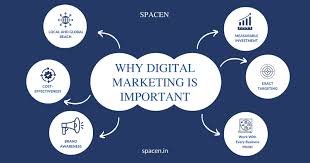
Why is Digital Marketing So Important Today?
-
Wider Reach & Global Accessibility
The internet has connected people all over the world, breaking down geographical barriers. With digital marketing, businesses can reach a global audience without the high costs associated with traditional advertising methods like TV or print media. Whether it’s through social media, search engine optimization (SEO), or email marketing, digital marketing provides businesses with access to a vast, diverse market. -
Targeted Marketing
Unlike traditional marketing, digital marketing allows businesses to target specific demographics, interests, and behaviors. With tools like Google Ads, Facebook Ads, and SEO, businesses can refine their strategies to reach people who are more likely to be interested in their products or services. This level of precision increases the effectiveness of marketing campaigns and ensures that resources are spent wisely. -
Cost-Effective
Traditional marketing campaigns, such as TV commercials, billboards, or print ads, can be expensive. In contrast, digital marketing is often more affordable, especially for small and medium-sized businesses. With options like social media marketing, email campaigns, and pay-per-click (PPC) advertising, businesses can achieve high returns on investment (ROI) without breaking the bank. -
Real-Time Results & Analytics
One of the biggest advantages of digital marketing is the ability to measure and analyze campaign performance in real-time. With tools like Google Analytics, businesses can track website traffic, user behavior, and conversion rates, allowing them to make data-driven decisions and adjust strategies on the fly. This level of transparency helps businesses understand what’s working and what’s not, ensuring continuous improvement. -
Enhanced Customer Engagement
Digital marketing enables two-way communication between brands and their customers. Social media platforms, blogs, and email marketing allow businesses to engage with their audience, answer questions, respond to feedback, and foster community. Building meaningful relationships with customers not only helps increase brand loyalty but also enhances customer satisfaction and advocacy. -
Personalized Customer Experience
Digital marketing offers the ability to personalize content based on user data. By analyzing consumer behavior, businesses can deliver tailored messages, product recommendations, and offers that resonate with their audience. Personalization increases the chances of conversion, enhances user experience, and fosters long-term customer relationships. -
Mobile Accessibility
With the rise of smartphones, mobile devices have become an integral part of daily life. Digital marketing is designed to work across various devices, allowing businesses to engage with consumers wherever they are. Whether through mobile-optimized websites, apps, or social media platforms, digital marketing ensures that brands are always within reach of their audience. -
SEO & Visibility
Search Engine Optimization (SEO) is an essential aspect of digital marketing that helps businesses improve their visibility on search engines like Google. By optimizing their websites and content for relevant keywords, businesses can rank higher in search results, making it easier for potential customers to find them. Higher visibility directly correlates with increased website traffic and conversions. -
Social Proof & Brand Trust
Consumers today rely heavily on reviews, ratings, and user-generated content to make purchasing decisions. Digital marketing enables businesses to showcase positive customer testimonials, case studies, and influencer partnerships to build trust and credibility. A strong online reputation is critical for gaining customer confidence and standing out in a crowded marketplace. -
Adaptability & Innovation
The digital marketing landscape is constantly evolving, with new tools, platforms, and strategies emerging all the time. This dynamic nature allows businesses to stay ahead of the curve, experiment with new approaches, and adapt to consumer preferences. Whether it’s through innovative content marketing, influencer partnerships, or interactive campaigns, digital marketing empowers brands to remain relevant in an ever-changing market.
Key Digital Marketing Channels
-
Search Engine Optimization (SEO): Optimizing your website to rank higher in search engine results, improving visibility and driving organic traffic.
-
Content Marketing: Creating valuable content (blogs, videos, infographics) to engage and educate your audience, building trust and authority.
-
Social Media Marketing: Leveraging platforms like Facebook, Instagram, Twitter, and LinkedIn to connect with your audience, share content, and promote products.
-
Email Marketing: Sending personalized emails to nurture leads, promote offers, and build lasting relationships with customers.
-
Pay-Per-Click (PPC) Advertising: Running paid ads on platforms like Google Ads and social media to target specific keywords and demographics, driving immediate traffic to your website.
-
Influencer Marketing: Partnering with influencers to promote your brand to their followers, increasing exposure and credibility.
-
Affiliate Marketing: Collaborating with other businesses or individuals to promote products/services in exchange for a commission on sales or leads.
Conclusion: Embrace the Future of Marketing
In today’s digital-first world, businesses that fail to leverage digital marketing are at risk of being left behind. Digital marketing not only offers cost-effective solutions for brand growth but also helps businesses connect with their audience in more meaningful ways. With the right strategy, businesses can enhance their visibility, foster customer loyalty, and drive long-term success.
If you’re ready to take your business to the next level with digital marketing, now is the time to start. Harness the power of the digital world to grow your brand, increase your reach, and achieve your business goals.
Other Ideas for Digital Marketing Content:
-
Case Studies and Success Stories: Show how companies have successfully implemented digital marketing strategies.
-
Beginner’s Guide to Digital Marketing: A step-by-step guide for new business owners looking to get started with digital marketing.
-
Digital Marketing Tips & Best Practices: Practical tips on improving SEO, social media engagement, and email marketing.
-
Trends in Digital Marketing: Regular updates on emerging technologies, platforms, and strategies in the digital marketing space.